Book a free 30-minute consultation with one of our Egypt specialists. We’ll talk through your ideas, answer your questions and help you plan the perfect trip.
Essential cookies keep the site working. With your OK, analytics cookies show us which pages help. Privacy Policy.
Choose Hurghada for easy, calm island days that suit beginners and families. Choose Sharm El Sheikh for the Red Sea's most famous reefs at Ras Mohammed and Tiran, best for confident swimmers. Choose Marsa Alam for the best chance of turtles, dolphins and quieter reefs. You can snorkel all year, but no trip can promise wildlife.
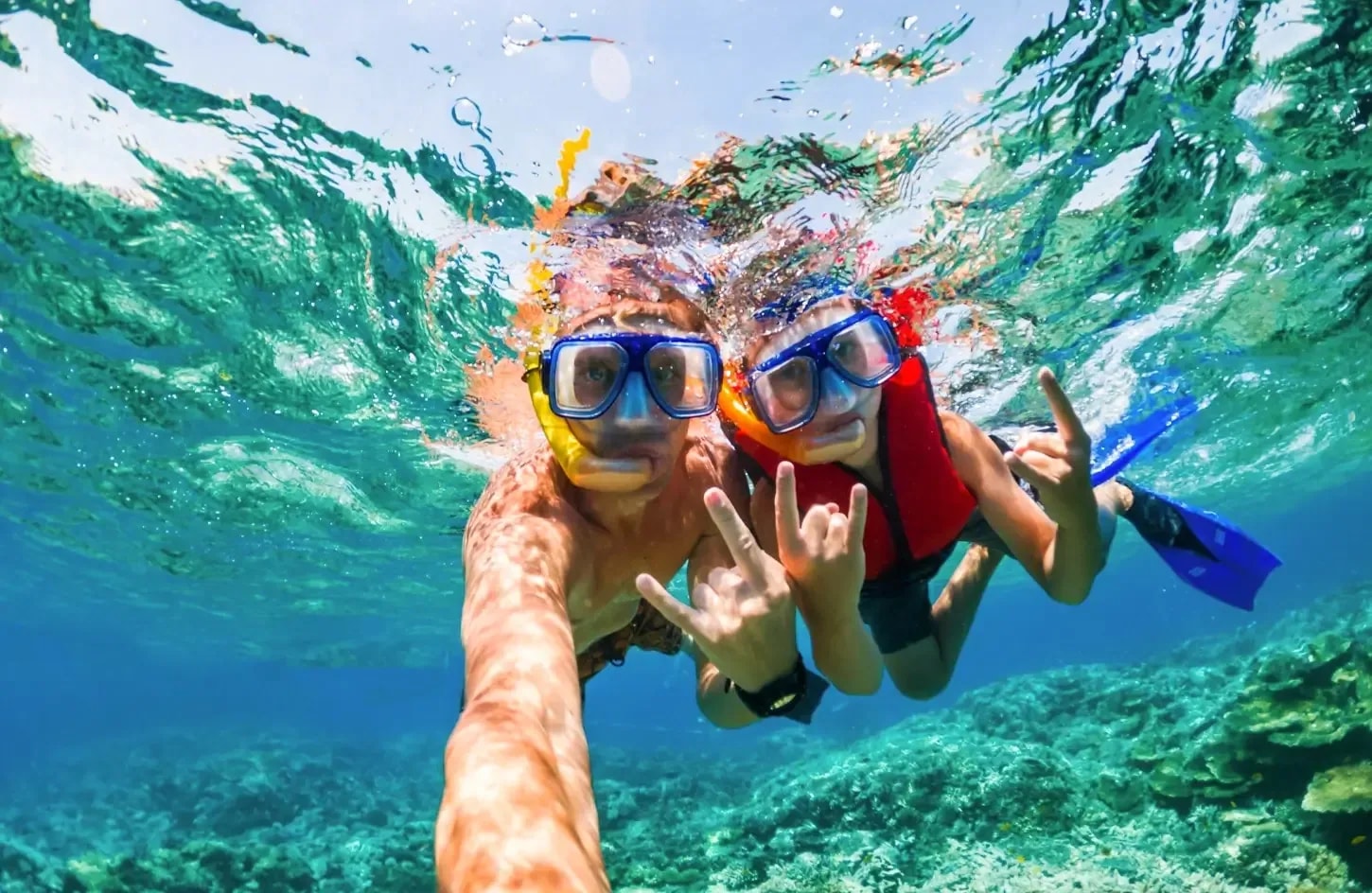
Egypt's Red Sea coast offers some of the easiest reef snorkeling in the world. Coral starts in shallow water, visibility is often excellent, and boats run almost every day. The hard part is choosing the right base and the right boat for your group.
This guide compares the main snorkeling bases and their best day trips. It covers who each trip suits, how a typical boat day runs, the best season, park fees and the mistakes that spoil a reef day.
The Red Sea snorkeling bases compared
Base
Best for
Typical trips
Swimming level
Watch for
Hurghada
First-timers, families
Island boat days, beach bays, semi-submarine
Beginner to intermediate
Popular sites get busy
Sharm El Sheikh
Dramatic reef walls, clear water
Ras Mohammed, Tiran reefs
Intermediate to confident
Currents at some sites
Dahab (from Sharm)
The Blue Hole area, a relaxed coast
Blue Hole shallows and nearby reefs
Intermediate
Deep water beyond the reef edge
Marsa Alam
Turtles, dolphins, quieter reefs
Dolphin House, islands, turtle bays
Beginner to confident
Far from Cairo; best for longer stays
Your hotel area matters too. If Hurghada is your base, our guide on where to stay in Hurghada shows which areas sit closest to the boats.
Snorkeling day trips from Hurghada
Hurghada is the gentlest start. Most boats leave the marina in the morning, sail to an island or offshore reef, and stop at two or three snorkel sites. Lunch is usually served on board, and you are back in the afternoon. Many sites are shallow and sheltered, which suits beginners.
Island boat days
The classic day goes to the Giftun Islands, a protected area offshore from Hurghada. You get reef stops plus time on a sandy beach. Our Orange Bay snorkeling trip with a buffet lunch on board is the easy all-round choice for groups and families.
Sharm El Naga is a bay south of Hurghada with a reef you reach from the beach. It suits travelers who dislike boats or get seasick. Book the Sharm El Naga snorkeling day trip if you want a reef day on dry land.
For non-swimmers
The Hurghada semi-submarine trip lets you view the reef through windows below the waterline. It also includes a snorkel stop for those who want to get wet. It works well for young children and grandparents.
Sharm El Sheikh sits near the southern tip of the Sinai Peninsula. Its reefs are steeper and more dramatic than Hurghada's, with coral walls dropping into deep blue water. Some sites have currents, so these trips reward confident swimmers.
Ras Mohammed National Park
Ras Mohammed is a protected area at the tip of Sinai. It is known for steep reef walls, big schools of fish, and sites such as Shark Reef and Yolanda Reef. Boats choose the sheltered stops on the day, depending on wind and current.
The Straits of Tiran lie between Sinai and Tiran Island. Reefs such as Jackson, Gordon, Thomas and Woodhouse are reached only by boat. Water is often a deep, clear blue, but currents can be strong, especially at Jackson. Weaker swimmers should wear a lifejacket and stay close to the guide.
The Blue Hole near Dahab
The Blue Hole is a deep sinkhole close to shore near Dahab, north of Sharm. It is famous among divers and freedivers, and deep dives there carry real risk. Snorkelers stay on the shallow reef edge and the nearby reefs, where the coral is lovely.
A glass-bottom boat or semi-submarine trip shows the reef without getting in the water. Both are easy add-ons for a family day.
Snorkeling day trips from Marsa Alam
Marsa Alam is on the quieter southern stretch of the coast. Reefs are less crowded, and the area gives you the best odds of meeting large animals. Wildlife is wild, though, so treat any sighting as a bonus.
Dolphin House (Sha'ab Samadai)
Sha'ab Samadai is a horseshoe-shaped offshore reef where a pod of spinner dolphins often rests. The reef is zoned, with part of it closed to swimmers so the dolphins can rest undisturbed. Stay with your guide, never chase or touch the animals, and keep your distance. Our Dolphin House snorkeling trip from Marsa Alam includes lunch on board.
Turtle bays
Abu Dabbab is a bay with seagrass beds where green turtles feed. A dugong has been seen there at times, but sightings are rare and never certain. Marsa Mubarak is another bay known for turtles. The Marsa Mubarak snorkeling trip is a calm choice for families.
Islands and the far south
The Hamata Islands lie farther south, with shallow reefs and sandy islets. The Hamata Islands snorkeling trip suits travelers who want a long, quiet day at sea. Wadi el-Gemal National Park, south of Marsa Alam, adds beaches, mangroves and desert scenery.
Most trips include hotel pickup in the morning. At the marina, you check in, meet the crew and find a spot on deck. The ride to the first site can take a while, so this is the time to fit your mask.
The guide gives a short briefing before each stop. It covers the reef layout, the current and where the boat will wait. You snorkel for a set time, climb back aboard, and the boat moves on.
Lunch usually comes between stops. The last stop is often the easiest, with a beach or a shallow reef. You are back at the marina in the afternoon, with time to rest before dinner.
You can snorkel all year. Water is warmest in late summer and coolest in winter, roughly from the low 70s °F in winter to the mid-80s °F in summer.
Spring: warming water and comfortable air. A good all-round season.
Summer: the warmest sea but intense heat on deck. Boats fill up during school holidays.
Autumn (September to November): warm water and calmer air. Many consider it the best season.
Winter: clear days, but cooler water and more wind on the boat ride.
In winter, a shorty wetsuit or a long-sleeved rash vest keeps you comfortable for longer. Wind can also make the ride back cold and choppy, so pack a dry layer.
Marine park fees and what to ask before you book
Many Red Sea reefs lie inside protected areas, and visitors may pay a daily conservation fee. Sometimes it is in the trip price, and sometimes it is collected separately. Ask three questions before you book:
Is the park fee included?
Is lunch included?
Are masks, fins and lifejackets provided, and in children's sizes?
A clear answer to all three is a good sign of a well-run trip.
Reef etiquette and safety
Never stand on or touch coral. Even a light touch damages living reef. Float flat when the water gets shallow.
Do not feed, chase or touch animals. Give turtles and dolphins plenty of space.
Cover up. A long-sleeved rash vest protects your back better than sunscreen. Choose a reef-safe sunscreen too.
Wear a lifejacket if unsure. There is no shame in it, and it lets you relax.
Look up often. Keep track of the boat and your group.
Take nothing. Leave shells, coral and sand where they are, and follow local marine-park rules.
Drink plenty of water between stops, because the sun and wind dry you out faster than you notice.
Common mistakes on a Red Sea snorkeling trip
The most common mistake is sunburn on the back and the backs of the legs. You float face down for long stretches, and the water hides the burn until evening.
The second is a leaking mask. Try your mask on the boat before the first stop, and ask the crew for another size if it leaks.
The third is booking a demanding reef for a weak swimmer. Tell the crew your level honestly, and pick a calm trip for the first day.
Finally, do not plan a long drive on the same day as a boat trip. Combining a Dahab day with an evening flight, for example, leaves no margin for delays.
What to pack for a snorkeling day
Swimsuit worn under your clothes, plus a towel
Long-sleeved rash vest or shirt, hat and sunglasses
Reef-safe sunscreen
Your own mask, if you have one that fits well
A light layer for the windy ride back
Water, seasickness tablets if you need them, and a dry bag for your phone
Some cash for tips and extras
Frequently asked questions
Which is better for snorkeling, Hurghada or Sharm El Sheikh?
Hurghada is easier, with calm island days that suit beginners and families. Sharm El Sheikh has more dramatic reefs at Ras Mohammed and Tiran, which suit confident swimmers.
Can you see turtles and dolphins in the Red Sea?
Yes, most reliably around Marsa Alam. Turtles feed in bays such as Abu Dabbab and Marsa Mubarak, and spinner dolphins often rest at Sha'ab Samadai. Sightings are never guaranteed.
Do you need to be a strong swimmer to snorkel in the Red Sea?
Not for the calm sites. Wear a lifejacket and choose a sheltered trip, such as a Hurghada island day. Save sites with currents, like parts of Tiran, for when you feel confident.
What is the best month for Red Sea snorkeling?
You can snorkel all year. Many travelers prefer September to November, when the sea is warm and the air is more comfortable. Spring is also a good choice.
Can beginners snorkel the Blue Hole in Dahab?
Yes, but only on the shallow reef edge and nearby reefs, following the guide. The Blue Hole itself is a deep dive site with a serious safety record.
Are marine park fees included in snorkeling day trips?
It depends on the trip. Some include the conservation fee and others collect it separately. Ask before you book.