Abu Dabbab, Marsa Mubarak, Dolphin House, the Hamata islands and Sharm El Luli compared by level, access and wildlife, with tips for a good snorkeling day.
Plan your visit
Ask us which tours include this destination, or build a private trip around it.
Book a free 30-minute consultation with one of our Egypt specialists. We’ll talk through your ideas, answer your questions and help you plan the perfect trip.
Essential cookies keep the site working. With your OK, analytics cookies show us which pages help. Privacy Policy.
The best snorkeling in Marsa Alam is at Abu Dabbab and Marsa Mubarak, two sheltered bays where green turtles graze on seagrass. Samadai, known as Dolphin House, is the top boat trip for wild spinner dolphins. For a beach day, Sharm El Luli in Wadi El Gemal National Park has white sand and clear shallows. Sightings are never guaranteed.
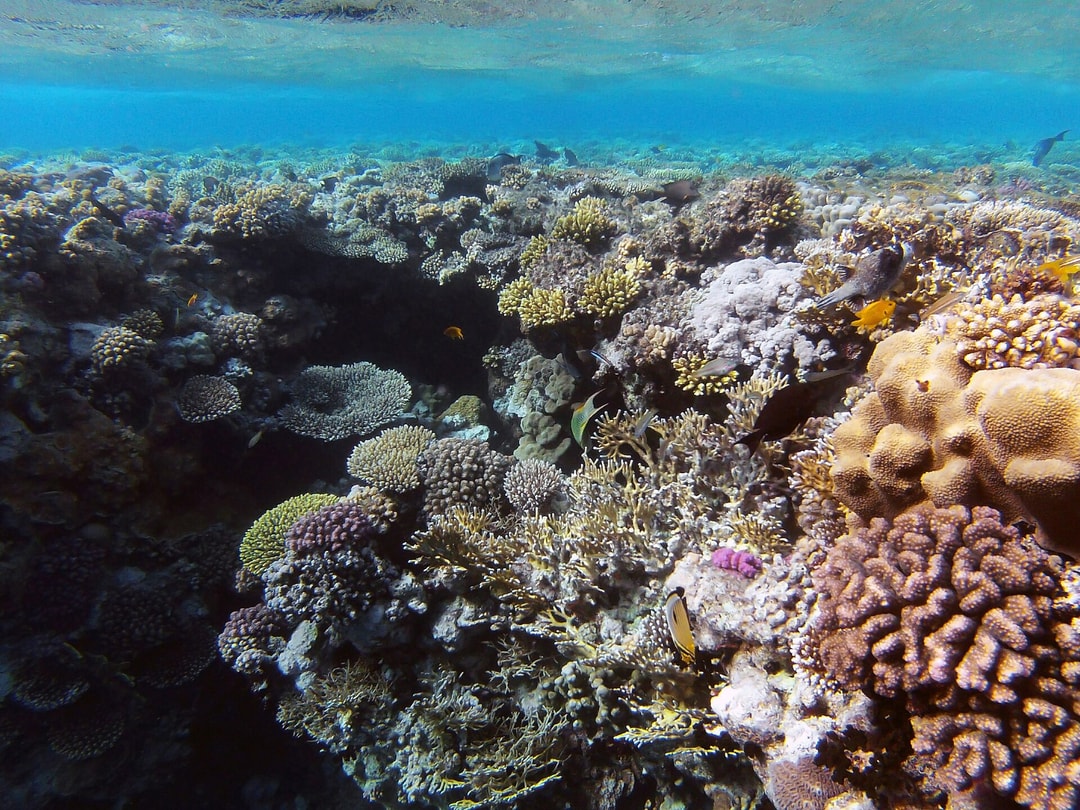
Marsa Alam is one of the best places in Egypt to snorkel. The reefs start close to shore, the water is clear, and the bays are calmer than many open reefs. The catch is that each spot works differently. Some you reach from the beach, some only by boat, and some have no facilities at all.
This guide compares the main spots, explains who each one suits, and tells you how to plan a good snorkeling day.
Marsa Alam snorkeling spots compared
Spot
How you get there
Level
What you may see
Facilities
Abu Dabbab Bay
By road; shore entry
Beginner
Green turtles, reef fish, rarely a dugong
Beach facilities nearby
Marsa Mubarak
Organized trip
Beginner
Green turtles, seagrass, reef on the north side
Limited; depends on trip
Coraya Bay and resort house reefs
From your hotel
Beginner to intermediate
Reef fish and coral
Full resort facilities
Samadai (Dolphin House)
Boat day trip
Comfortable swimmers
Spinner dolphins, coral
On the boat
Hamata islands (Qulaan)
Long drive, then boat
Beginner to intermediate
Reefs, mangroves, birds
On the boat
Sharm El Luli
Road trip into the national park
Beginner
Shallow reef, reef fish
None
Abu Dabbab Bay: turtles from the beach
Abu Dabbab is a sandy, sheltered bay north of Marsa Alam town. Its seagrass beds feed green turtles, which you can often watch grazing in shallow water. The sandy entry suits beginners, older travelers and children who can swim.
Dugongs have also been seen here, but sightings are rare. Treat one as a lucky bonus, not the plan. You may see the name spelled Abu Dabab.
The bay gets busy from mid-morning, when groups arrive by bus and boat. Go early, ideally straight after breakfast, for calmer water and fewer people. Visitors who are not staying at a hotel on the bay pay an entrance fee, and rules can change, so follow the rangers and lifeguards.
Marsa Mubarak: turtles and a chance of dugongs
Marsa Mubarak is a wide, sandy bay on the northern part of the coast, near the airport and Port Ghalib. It has large seagrass beds and a colorful reef on its north side. Green turtles are the main attraction. It is also one of the better spots on the coast for a dugong, though the Red Sea population is very small.
Most visitors come on an organized half-day trip. Our Marsa Mubarak snorkeling trip includes a snorkeling guide, gear, soft drinks and lunch on the boat. Wear a life jacket if your guide asks. Early and late in the day are usually calmer, because boats and crowds can push wildlife away.
Samadai (Dolphin House): spinner dolphins by boat
Samadai is a horseshoe-shaped offshore reef southeast of Marsa Alam town. Inside is a sheltered lagoon where spinner dolphins often rest by day. That is why it is called Dolphin House.
The reef is a protected area managed with zones. One part of the lagoon is closed to people so the dolphins can rest. Snorkelers use a separate area, and boats follow set rules. Wear a life jacket if your guide asks you to.
The dolphins choose whether to come near you. Swim calmly, keep your distance, and never chase, touch or feed them. Rangers oversee the reef. Trips depend on the weather, and no one can promise dolphins on a given day.
You can book our Dolphin House snorkeling trip, which includes snorkeling gear, a guide and lunch on board. Do not confuse Samadai with Sataya Reef further south, which some operators also call a dolphin reef.
Hamata islands (Qulaan): a long day in the south
The Hamata islands, also called the Qulaan islands, lie offshore near Hamata village in the far south. They have shallow reefs, sandy islets and mangroves, and the area is known for birdlife. The drive from central hotels is long, so this is a full-day outing.
Our trip includes hotel pickup, snorkeling gear with a safety briefing, and lunch on board or at a beachside spot. Check the tour page for the stops and any park ticket. Book our Hamata islands snorkeling trip, or the Sharm El Luli and El Qulaan trip to pair the islands with a beach.
Best beaches for swimming in Marsa Alam
Sharm El Luli
Sharm El Luli sits inside Wadi El Gemal National Park, south of town. It has fine white sand and turquoise shallows that lead out to a reef. Many visitors call it the prettiest beach on the coast.
There are no facilities. Bring water, food, shade and a towel, or go on an organized trip. A park ticket applies, and on our Sharm El Luli trip it is paid on the day. Pair it with a Wadi El Gemal 4x4 tour to see the desert side of the park.
Resort beaches and house reefs
Much of the sandy coast belongs to resorts, each with its own beach, loungers and bar. Many have a house reef you can snorkel straight from the beach or a jetty. Coraya Bay is a well-known sheltered example, with calm water and a sandy entry.
Beach entries vary a lot. Some are wide and sandy. Others have shallow coral near shore, which means using a jetty or wearing water shoes. At low tide, some bays leave coral close to the surface for a long stretch. Our guide on where to stay in Marsa Alam explains what to ask.
Which spot suits you?
First-time snorkelers
Start on your hotel's house reef, then visit Abu Dabbab or Marsa Mubarak with a guide. Calm, shallow water builds confidence before a boat day.
Families with children
Choose sandy entries and sheltered bays. Abu Dabbab and resort lagoons are the usual picks. For children who do not swim, the semi-submarine trip shows the reef through windows. Our guide to Egypt for families covers the rest of the trip.
Confident swimmers
Add a boat day to Samadai or the Hamata islands. Open-water stops can have waves and current, so you need to be comfortable in deeper water. A Nefertari boat tour with two snorkeling stops pairs underwater viewing with a snorkeling session.
Divers
Marsa Alam is a major dive area. Offshore reefs such as Elphinstone are for experienced, certified divers only, because of steep walls and strong currents. Read our guide to Egypt for divers and snorkelers before you book.
How to plan a good snorkeling day
Timing
Mornings are usually calmer, with clearer water and fewer boats. Wind can pick up in the afternoon. In summer, the midday sun is strong, so swim early and rest in the shade at noon.
What to pack
A well-fitting mask and snorkel. Rental gear is common, but your own fits better.
A rash guard or thin long-sleeve top for sun protection in the water.
Reef-safe sunscreen, applied well before you swim.
Water shoes for rocky entries and jetty steps.
A hat, sunglasses and plenty of water for the boat.
A light jacket for the ride back on winter days.
A waterproof bag for your phone and cash.
Health and comfort
The sun on the water is stronger than it feels. Drink often and cover up between swims. If you get seasick, ask about medication before a boat day. Our Egypt health guide has more tips.
Season
You can snorkel all year, but conditions change. Water and air feel cooler in winter, and summer is hot. Our guide to the best time to visit Egypt breaks it down by month.
Snorkel responsibly
The wildlife is why you came, and it is fragile. These habits protect it:
Never chase, touch, ride or feed turtles, dugongs or dolphins.
Keep a respectful distance and never block an animal's path to the surface.
Do not stand on coral or kick it with your fins.
Wear a life jacket where it is required, and follow ranger and guide instructions.
Take everything back with you, including food scraps and plastic.
Rules differ from site to site and can change, so ask your guide on the day. Common mistakes include swimming over a resting turtle to get a photo, and paying a boat photographer without agreeing the price first.
Where is the best snorkeling in Marsa Alam for beginners?
Abu Dabbab and Marsa Mubarak are the usual beginner picks. Both are sheltered, sandy bays with turtles in shallow water. Your resort's house reef is also a good place to practice first.
Can I see turtles in Marsa Alam?
Yes, often. Green turtles feed in the seagrass at Abu Dabbab and Marsa Mubarak. Sightings are likely but never guaranteed.
Will I see a dugong?
Possibly, but it is rare. The Red Sea dugong population is very small, and the animals move along the coast. Treat a sighting as a bonus.
Can you swim with dolphins at Dolphin House?
You can snorkel in the permitted zone while wild spinner dolphins rest nearby. They decide whether to approach. Never chase, touch or feed them.
Do I need to be a strong swimmer?
Not for the sheltered bays, where life jackets are common. For boat stops in open water, you should be comfortable in deep water. Tell your guide your level.
Are there public beaches in Marsa Alam?
Most sandy beaches belong to resorts. Sharm El Luli is a popular natural beach inside a national park, with a ticket and no facilities. Abu Dabbab is also visited by day groups.
What should I bring on a snorkeling trip?
Bring sun protection, a rash guard, water, water shoes and a waterproof bag. Most trips provide masks, fins and life jackets, but check before you go.