Book a free 30-minute consultation with one of our Egypt specialists. We’ll talk through your ideas, answer your questions and help you plan the perfect trip.
Essential cookies keep the site working. With your OK, analytics cookies show us which pages help. Privacy Policy.
For most first-time visitors, Naama Bay is the best place to stay in Sharm El Sheikh, because you can walk to the beach, restaurants and evening promenade. Hadaba suits value seekers, Sharks Bay and Ras Nasrani suit snorkelers, and Nabq Bay suits quiet resort stays.
Sharm El Sheikh is not one town with one beach. It is a chain of bays and districts strung along the southern tip of the Sinai coast. Each area has a different shoreline, a different evening scene and a different distance from everything else.
That is why the right area matters more than the right hotel brand. A great resort in the wrong bay can mean nightly taxis, a beach you cannot swim from, or wind that keeps you out of the water. This guide walks you through each area from south to north, then matches them to the way you travel.
How Sharm El Sheikh is laid out
Think of Sharm as a coastal strip running roughly south to north. The southern end holds Hadaba, Ras Um Sid and the Old Market area, also called Sharm el-Maya. Naama Bay sits in the middle and works as the center of town. North of Naama come Sharks Bay and the Soho Square area, then Ras Nasrani near the airport, then Nabq Bay at the far northern end.
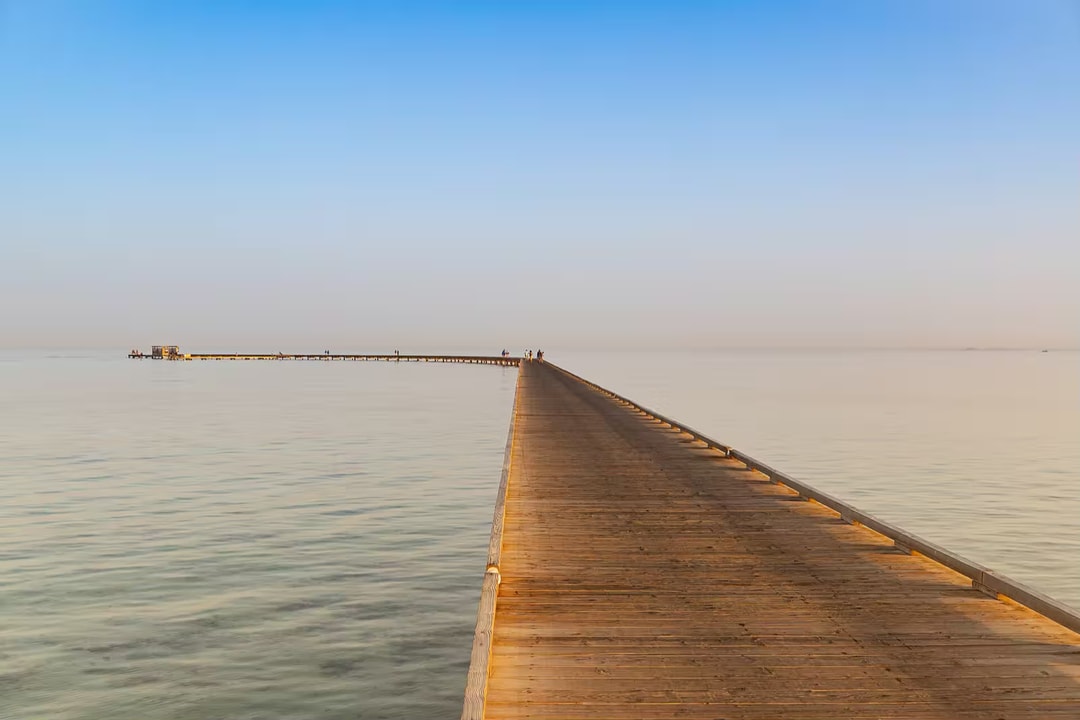
Two things change as you move along that strip. The first is the shoreline. Naama Bay has a sandy, cleared beach, while most other bays have shallow coral reef flats close to shore. In those bays, hotels build wooden jetties or pontoons so you can walk over the reef and step into deeper water.
The second is the evening. The middle of the strip has the most restaurants and nightlife within walking distance. The farther north or south you stay, the more you depend on your resort, a hotel shuttle or a taxi after dark.
Before you compare hotels
Ask every resort the same three questions. How do guests enter the sea: sand, rocks or a jetty? Is there a shuttle to Naama Bay, Soho Square or the Old Market? And what is included in the meal plan? The answers tell you more about your week than the photos do.
Sharm El Sheikh areas at a glance
Area
Beach and water entry
Evenings
Best for
Naama Bay
Sandy beach, gentle entry
Walk to restaurants, bars and the promenade
First-timers, nightlife, travelers without a car
Hadaba and Ras Um Sid
Rocky coast, reefs and drop-offs near shore, jetties
Short ride to the Old Market
Value seekers, snorkelers, divers
Sharks Bay and Soho Square area
Coral shore, wooden walkways into deeper water
Soho Square close by
Snorkelers, families who want an easy evening outing
Ras Nasrani
Mostly reef, few sandy spots
Mainly resort-based
Shore snorkeling, quiet stays near the airport
Nabq Bay
Shallow reef flats, long pontoons, often windy
Resort-based, taxi to town
All-inclusive stays, nature, space
Naama Bay: the easiest first base
Naama Bay is the most famous part of Sharm and the busiest. A long sandy beach sits in a sheltered bay, and behind it runs a pedestrian promenade lined with restaurants, cafés, bars and shops. Several sources describe it as the heart of the resort's evening life.
The big advantage is that you do not need transport. You can swim in the morning, walk to lunch and stroll the promenade at night. The beach bottom is sand rather than coral, which suits weaker swimmers and young children.
The trade-off is noise and crowds. Hotels close to the promenade can hear music late into the night. If you want sleep as much as atmosphere, ask for a room facing away from the walkway, or pick a hotel at the quieter end of the bay. Snorkeling is also more modest here than at the reef-lined bays, so plan a boat day if coral is a priority.
Hadaba and Ras Um Sid: value, reefs and the Old Market
Hadaba sits on higher ground in the south of Sharm, with sea views from the headland. It is home to many of the town's residents, so it can feel a little more local. Accommodation here is often described as good value, with many mid-range hotels.
Ras Um Sid, at the southern edge of Hadaba, is known for its reef. The coast is rocky, with cliffs in places, and the reef wall drops steeply only a short swim from shore. Some cliff-top hotels use stairs, elevators or long walkways to reach the water, so check this if anyone in your group has limited mobility.
The Old Market, or Sharm el-Maya, is a short taxi or shuttle ride away. It fills up in the evening with cafés, street food and souvenir stalls. That gives Hadaba a real evening option without the late-night noise of Naama Bay.
Who should skip Hadaba
If you want a soft sandy beach to sit on all day, Hadaba is not the best fit. Many beaches here are small, rocky or built on platforms. Families with toddlers may prefer the sand of Naama Bay or a resort with a gentle lagoon.
Sharks Bay and the Soho Square area: reef on the doorstep
Sharks Bay lies north of Naama Bay, between the center of town and Nabq. It is mostly hotels, and it is known for some of the best house reefs in Sharm. The beach entrance is coral and rock, so wooden walkways lead guests straight into deeper water.
That makes it a strong choice for snorkelers who want to swim from the hotel every day. Many resorts here also set aside calmer areas for children and beginners, so ask what your resort offers.
Soho Square sits close to this area. It is an open-air entertainment complex with fountains, restaurants, bars and family activities. It gives you a ready evening outing without a long drive into Naama Bay. The airport is also nearby, which keeps arrival and departure transfers short.
Ras Nasrani: quiet shore snorkeling near the airport
Ras Nasrani is in the north, close to the airport, and it is almost entirely made up of resorts. The coastline is mostly reef, with only a few sandy patches. Snorkeling guides often rank it among the best shore snorkeling in Sharm, with large coral colonies and views toward Tiran Island.
The edge of the reef has a drop-off where currents can be strong. Stay over the shallower parts unless you are an experienced snorkeler, and always know where your exit ladder is. In the evening, most guests stay at their resort or take a short ride to Soho Square.
Nabq Bay: space, nature and all-inclusive resorts
Nabq Bay is the newest and most spread-out area, at the northern end of Sharm. Large resorts line a long road, and the feel is calm and self-contained. It borders the Nabq protected area, known for mangroves, dunes, birds and coral reefs.
The water near shore is very shallow and full of coral. Hotels build long pontoons so you can reach swimming depth, and you should not walk across the reef flat itself. Nabq is also often described as windier than the rest of Sharm, especially in winter. Pick a resort with a sheltered pool if you travel then.
Nabq suits travelers who want a pool, a big resort and a quiet week. It is less suited to people who want to go out every evening. Naama Bay is a taxi ride away, so factor in transport time and cost before you commit.
Where to stay by traveler type
First-time visitors
Stay in Naama Bay or close to it. You get a sandy beach, walkable dinners and easy pickups for day trips. Our Sharm day trips include pickup from your hotel, so you do not need to stay near a marina.
Couples
For lively dinners and evening walks, choose Naama Bay. For quiet and sea views, look at Hadaba's cliff-top hotels or a resort in Ras Nasrani. Couples combining Sharm with Cairo and Luxor can read our guide to planning Egypt as a couple.
Families with children
Look for three things: a sandy or lagoon-style entry, shade, and a children's pool. Naama Bay and parts of Sharks Bay work well, and Soho Square makes an easy family evening. For younger children, avoid hotels where the only sea access is a long jetty to a reef drop-off. Our guide to traveling in Egypt with children covers food, heat and pacing.
Snorkelers and divers
Base yourself where the reef starts at the hotel. Sharks Bay, Ras Nasrani and Ras Um Sid are the usual picks. Ask whether the resort has its own jetty and whether the house reef is good, then add one boat day to deeper sites. See our guide to the best beaches and snorkeling in Sharm El Sheikh for spot-by-spot detail, and Egypt for divers and snorkelers for the wider Red Sea picture.
Budget travelers
Hadaba and parts of Nabq tend to offer the most value. In Hadaba, you save on taxis because the Old Market is close. In Nabq, an all-inclusive plan can keep daily spending predictable, but evenings out add up.
Groups of friends
Naama Bay is the simplest choice if you plan to go out most nights. Walking home beats arranging late taxis for a group. If your group wants calm days and only one or two big nights, Sharks Bay is a sound compromise.
What to look for when you book
Hotel quality in Sharm varies, even within one area. These details make the biggest difference to your stay:
Sea entry. Ask whether the beach is sand, rock or a jetty. Ask if there is a ladder to the reef and how far out it is.
Wind exposure. North-facing and open bays can be breezy in winter. A sheltered pool matters more then.
Shuttles. A free shuttle to Naama Bay or the Old Market saves money and hassle every evening.
Meal plan. All-inclusive is common. Check whether drinks, à la carte restaurants and snacks are included.
Room location. Sea view, pool view or garden view can change noise levels as well as the view.
Walking distances. Large resorts can be spread out. Ask how far rooms are from the beach and restaurants.
Most visitors use taxis, hotel shuttles or pre-booked transfers. Agree on the taxi fare before you get in, or ask your hotel to arrange the ride. Late at night, a hotel-booked car is the easiest option.
Arrival is simple because the airport sits close to the northern resort areas. A private Sharm El Sheikh airport transfer means a driver waits for you, which helps after a long flight. Our Egypt arrival guide explains SIM cards, cash and first-day tips.
Our Sharm day trips include hotel pickup and return. That means you can choose your hotel for the beach and atmosphere, then add trips such as the Ras Mohammed snorkeling day trip or the Mount Sinai and St. Catherine's Monastery trip. Check the pickup area on the tour page or ask us when you book, since northern and southern hotels may be collected at different times.
Common mistakes to avoid
Booking a reef hotel for a toddler. A beautiful drop-off is not a safe paddling beach.
Assuming every beach is sand. Outside Naama Bay, many shores are coral, so pack reef shoes.
Choosing Nabq for nightlife. It is quiet by design, and evenings out mean a taxi.
Ignoring the season. Midsummer is very hot, and winter evenings can be cool and windy. Check our best time to visit Egypt guide before you fix dates.
Packing only beachwear. Resorts are relaxed, but town and the Old Market call for covered shoulders and knees. Our what to wear in Egypt guide has a simple list.
Before you book, also check your government's current travel advice for Egypt. Our Egypt safety guide explains how to read it. For everything else to do in town, start with our Sharm El Sheikh travel guide.
Frequently asked questions
Is Naama Bay or Sharks Bay better?
Naama Bay is better if you want a sandy beach and restaurants within walking distance. Sharks Bay is better if you want to snorkel from your hotel and have quieter evenings.
Which area of Sharm El Sheikh is best for snorkeling from the hotel?
Sharks Bay, Ras Nasrani and Ras Um Sid have reefs close to shore, usually reached by a hotel jetty. Ask each resort whether it has its own house reef and ladder.
Is Nabq Bay too far from everything?
It depends on your plans. Nabq is quiet and spread out, so it suits resort-based stays, but you will need a taxi or shuttle for evenings in Naama Bay or the Old Market.
Where should families stay in Sharm El Sheikh?
Look for a sandy or lagoon-style beach, shade and a children's pool. Naama Bay and parts of Sharks Bay are good starting points, with Soho Square nearby for evenings.
Do I need to stay near the marina for day trips?
No. Our Sharm day trips include pickup from your hotel. Pick your hotel for its beach and atmosphere, then check the pickup area and time when you book.
Which area is quietest at night?
Nabq Bay and Ras Nasrani are the quietest, since most evening life happens inside the resorts. Hadaba is calm too, with the Old Market a short ride away.