Cairo · Egypt
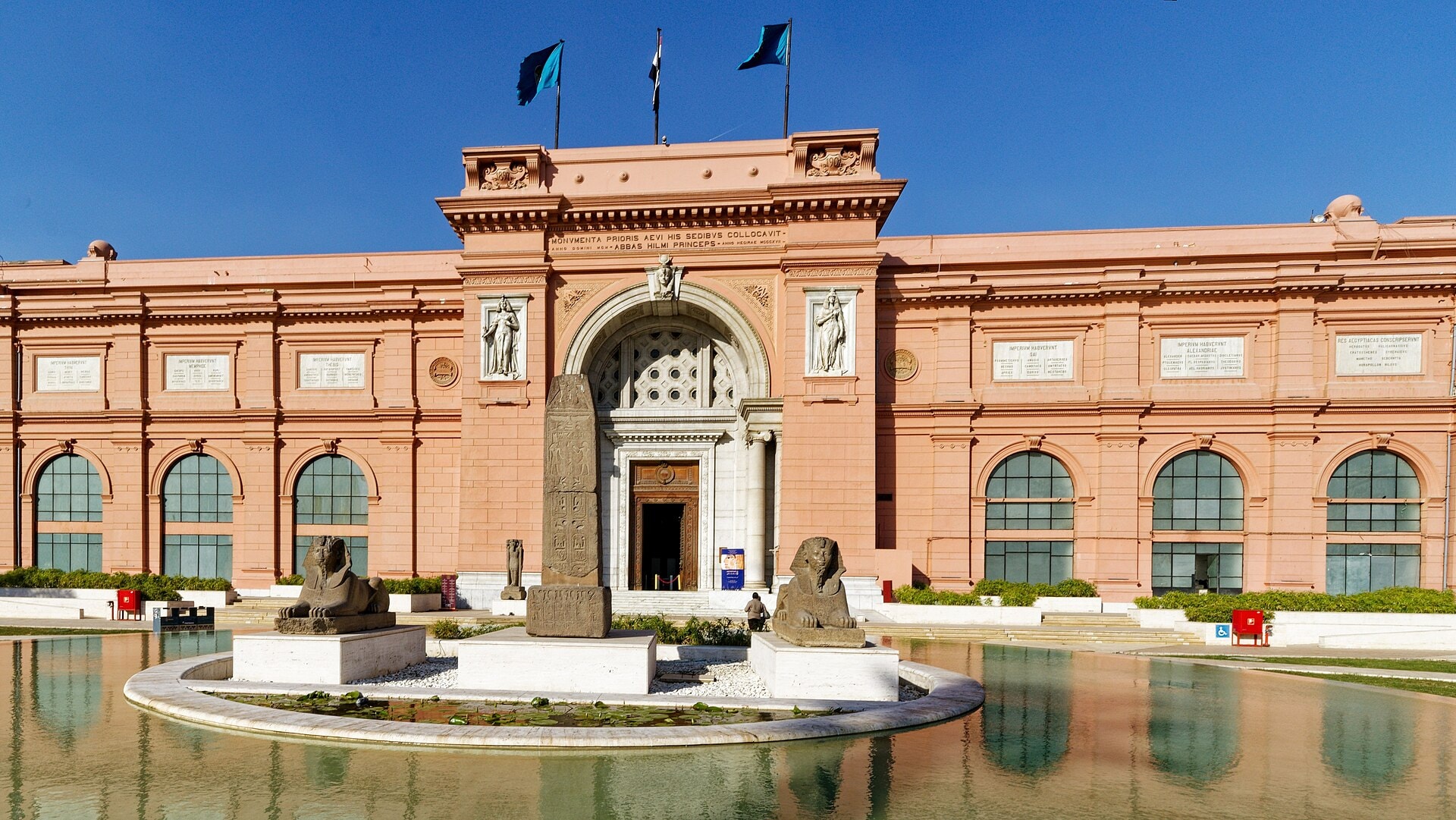
Egyptian Museum (Tahrir)
Photo: Holger Uwe Schmitt / Wikimedia Commons (CC BY-SA 4.0)
Continue your trip
Tour Operator · Egypt, Jordan, UAE, Turkey and Morocco
Cairo · Egypt
Photo: Holger Uwe Schmitt / Wikimedia Commons (CC BY-SA 4.0)
Continue your trip
TALK TO A REAL LOCAL EXPERT
Book a free 30-minute consultation with one of our Egypt specialists. We’ll talk through your ideas, answer your questions and help you plan the perfect trip.
“We are here, plan your Egypt journey with people who know it best.”
The Egyptian Museum in Tahrir Square, in the center of Cairo, is the country's historic museum of antiquities. Its pink neoclassical building opened in 1902, and for more than a century it was the place where the world came to see the treasures of ancient Egypt. Generations of archaeologists, students and travelers learned what they know of the pharaohs in these halls.
The museum's role has changed in recent years. Tutankhamun's tomb collection now lives at the Grand Egyptian Museum in Giza, and the royal mummies were moved in 2021 to the National Museum of Egyptian Civilization in Fustat. Yet the Tahrir museum still holds a remarkable collection, especially of Old Kingdom sculpture, and its crowded galleries and old wooden display cases give it a character no modern museum can copy.
If you want to understand how Egyptology itself developed, and to stand in front of some of the most important objects ever found in the Nile Valley, Tahrir remains essential. Think of it as the museum where the story of ancient Egypt was told to the world, and where many of its founding documents are still on display.
The collection began in the nineteenth century under the French Egyptologist Auguste Mariette, who set up Egypt's first national antiquities service and museum and campaigned to keep finds in the country at a time when they were routinely shipped abroad. His first museum stood at Bulaq, on the Nile bank, and it was badly threatened by flooding. The collection was later moved to a palace in Giza while a permanent home was planned.
An international competition produced the design for the present building by the French architect Marcel Dourgnon, and the museum opened on what is now Tahrir Square in 1902. Mariette did not live to see it, but he was buried in its garden, where his sarcophagus still stands.
For decades almost every major discovery in Egypt passed through its doors. The finds from Tutankhamun's tomb arrived in the 1920s, and the royal treasures of Tanis followed after their discovery by the French archaeologist Pierre Montet around the start of the Second World War. During the 2011 revolution the museum, beside the square where the protests took place, suffered a break-in and some objects were damaged or stolen; many were later recovered. In recent years the opening of the Grand Egyptian Museum and the National Museum of Egyptian Civilization has moved some of the most famous pieces away, giving the remaining objects more space.
The building itself is part of the experience. Its neoclassical facade, painted a soft pink-red, faces a garden with pools of papyrus and lotus, the two plants that symbolized Upper and Lower Egypt. Around Mariette's tomb in the garden, a monument honors other early Egyptologists who worked in the country.
Inside, the great central atrium rises the full height of the building under a skylight. At its far end sits a colossal statue of Amenhotep III and his wife Tiye with their daughters, which gives you a sense of the scale of New Kingdom royal sculpture. The ground floor broadly follows Egyptian history in order, so walking clockwise from the entrance takes you from the earliest dynasties to the Greek and Roman periods.
Notice also the wooden and glass display cases, many of them original. They are part of the museum's history, and in places the older labels survive beside newer ones.
The museum is in central Cairo on the north side of Tahrir Square, a short walk from Sadat metro station, which serves two of the city's metro lines. From hotels in Zamalek, Garden City or along the Nile Corniche it is a short taxi ride. Most of our guests visit by private car with a guide, which spares you parking and traffic and lets you continue straight on to other parts of the city.
Plan two to three hours for a good first visit, longer if you have a particular interest in Egyptian art. A focused guided tour of the highlights can be done in about two hours.
Mornings are best, when the building is cooler and the galleries are quieter. The museum is indoors, so it is a good choice for the hottest part of a summer day, though not every gallery is air conditioned. Winter, from roughly November to February, is the most comfortable season for combining it with outdoor sights. Check current opening hours and ticket prices before you go, and ask whether photography needs a separate permit.
Tahrir sits at the heart of downtown Cairo, so it combines easily with a walk through the downtown streets and their late nineteenth- and early twentieth-century buildings. The Nile Corniche is just behind the museum, and across the river on Gezira island stands the Cairo Tower, with views across the city.
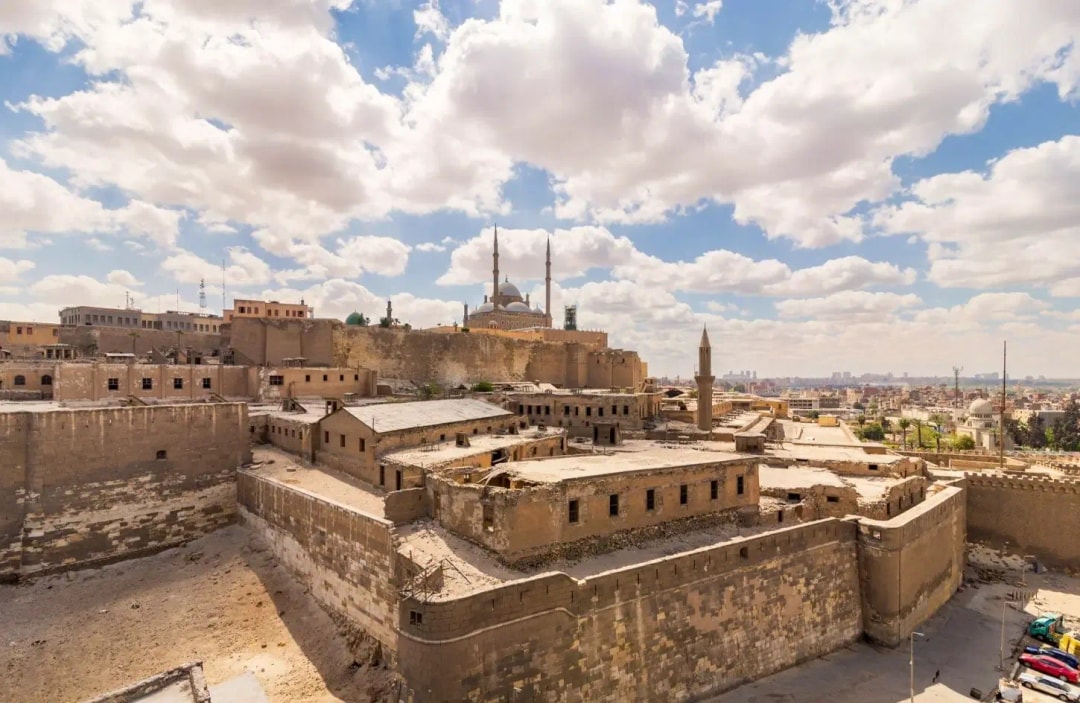
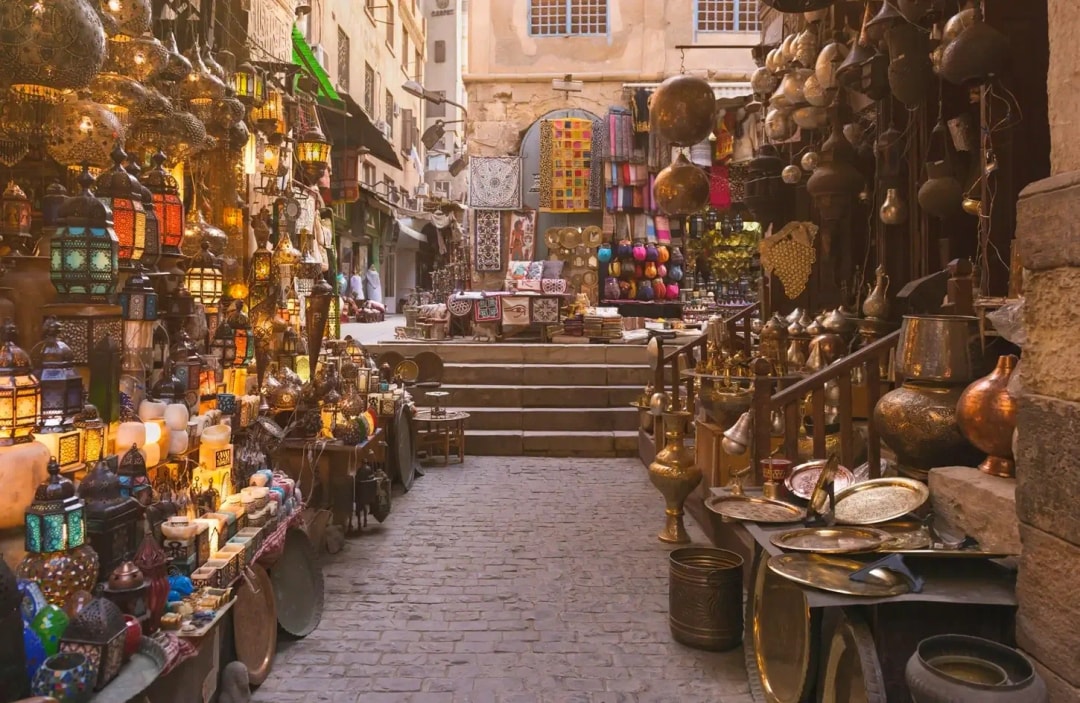
Many travelers pair Tahrir with the Grand Egyptian Museum and the National Museum of Egyptian Civilization on different days, since each tells a different part of the story. An afternoon in Islamic Cairo, with the Citadel of Saladin or Khan el-Khalili, is another natural pairing, about a 20- to 30-minute drive away depending on traffic.
No. The gold mask and the rest of Tutankhamun's tomb collection have moved to the Grand Egyptian Museum near the Giza pyramids. Tahrir now focuses on other periods, especially the Old Kingdom and the treasures of Tanis.
No. The royal mummies were moved in 2021 to the National Museum of Egyptian Civilization in Fustat, in Old Cairo, where they are displayed in a dedicated hall. Plan a separate visit if you want to see them.
Yes. The two collections complement each other, and many masterpieces such as the Narmer Palette, Rahotep and Nofret and the Tanis gold remain in Tahrir. The historic building also gives a very different, more atmospheric experience.
You can visit on your own, but labeling is uneven and the galleries are crowded with objects. A good guide helps you find the key pieces and explains what you are looking at, which makes a big difference in a limited time.
Photography rules and fees have changed over the years. Check the current policy at the ticket office, and never use flash on fragile objects.
The Tahrir museum is a natural first or second stop on a Cairo stay, giving you the background that makes Giza, Saqqara and the temples of Upper Egypt easier to read.